How to Pack for Moving House – Tips from Kiwi Renta Box
Moving house is one of those tasks that almost always takes longer than expected. A bit of planning and the right boxes or crates makes a big difference. These tips come from years of helping Auckland families and businesses move, and they are the things that actually make the process smoother.
Where to start
Start packing early as it almost always takes longer than you think it will. Start by packing items you don’t need for day-to-day living and then move on to items that you use daily.
Begin at the top of the house/office and work downwards.
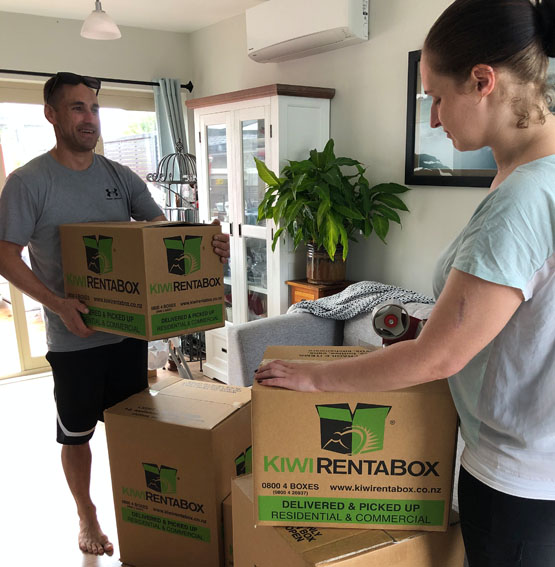
Use our superior quality cardboard boxes or crates so your belongings are safely protected.
Do not cram too much into too few boxes or crates as this could lead to breakages.
Keep the boxes or crates to a weight that is comfortable for an average adult to carry.
Not sure what you need? Give us a call.
How to Pack Your Boxes and Crates
Use smaller boxes for heavier items such as books, bottles, cans, etc
Use the larger boxes for lighter and bulkier items such as toys, bedding, clothing and cushions.
If you need to put heavier items in a large box or crates use soft materials like packing paper or bubble wrap to fill any gaps.
Use bedding, pillows, cushions, towels etc to provide cushioning in your boxes or crates.
Use bubble wrap to protect your fragile items such as pictures, mirrors and photo frames.
Put any important items such as photos, videos, jewellery, wills, certificates, passports etc into a separate box or crate to take in the car with you.
Do not allow the boxes to get wet. Wrap all liquid products in plastic bags and seal the bags so that any spillage won’t damage other items.
Empty all drawers and wardrobes, this makes it easier for the removalists to carry the bulky furniture and it prevents items falling out during the move.
Don’t overfill the boxes. Overfilled and bulging cartons can result in the boxes tipping or collapsing.
Pack heavier items near the bottom and the lighter items at the top. Use scrunched up paper for cushioning to fill gaps, this avoids movement of items in the box or crate and protects them.
Wrap fragile items such as glassware and crockery in paper and ensure that each item is completely wrapped.
Labelling and Organisation
Write down where the boxes or crates need to go at your destination and give each box a number.
On your contents sheet, write the box number and a short description of the contents. This helps you to quickly identify what goes where, saving you time and confusion later on.
How Many Boxes Do You Need?
One of the most common questions we get regarding moving house is how many boxes to order. Under-ordering means last-minute panic; over-ordering means paying for more than you need. Here are some general guides we use:
For a studio or one-bedroom home, around 30 medium and 10 large boxes is a good starting point. For a two to three-bedroom home, plan for 45 medium and 20 large. A four-bedroom or larger home typically needs 60 medium and 30 large, plus wardrobe boxes for hanging clothes.
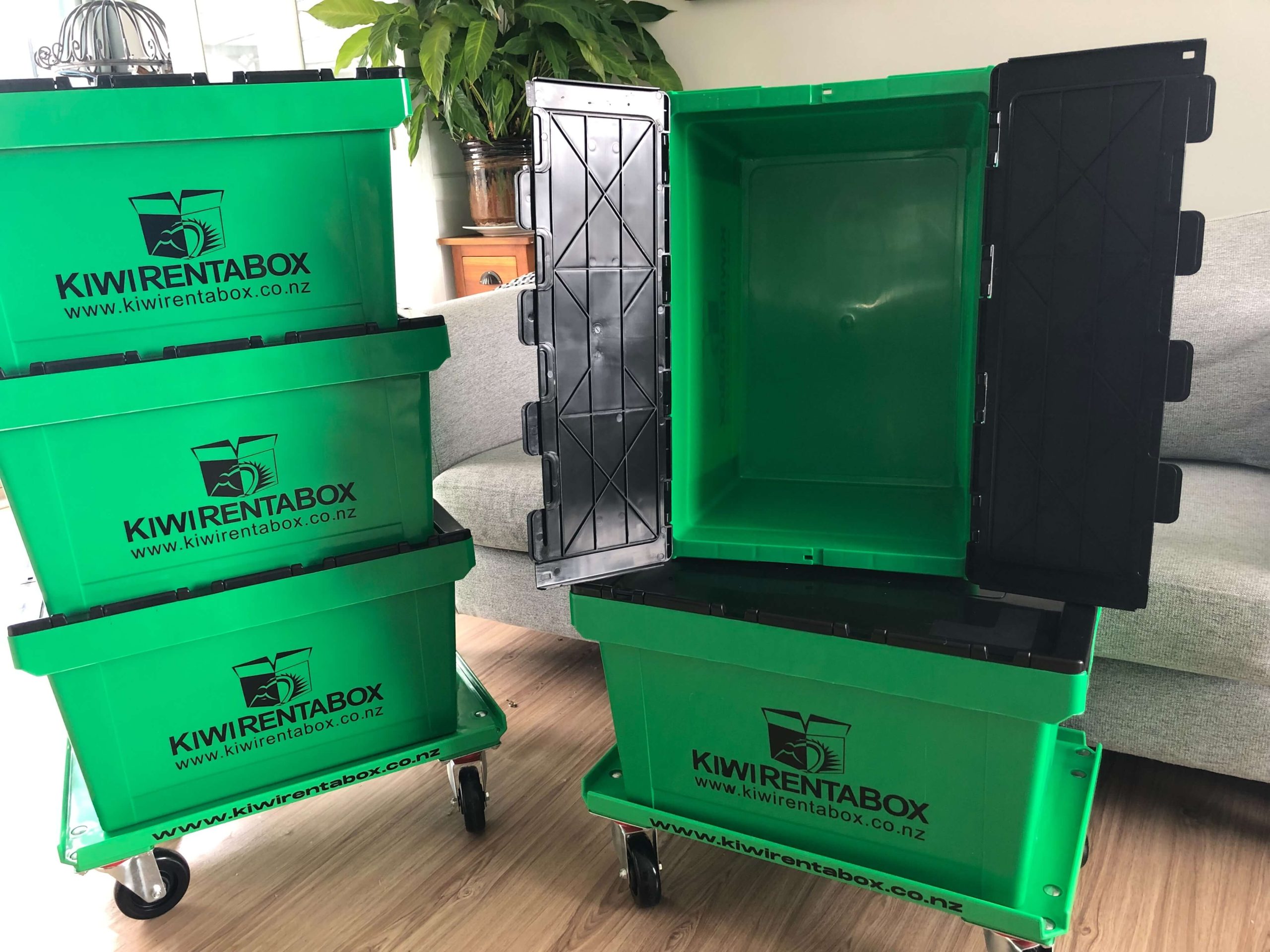
If you would prefer plastic crates rather than cardboard, our crate bundles are sized to the same room guidelines. Many people find crates easier to stack and move, especially if you have a trolley to hand – which comes free with all our crate bundles.